
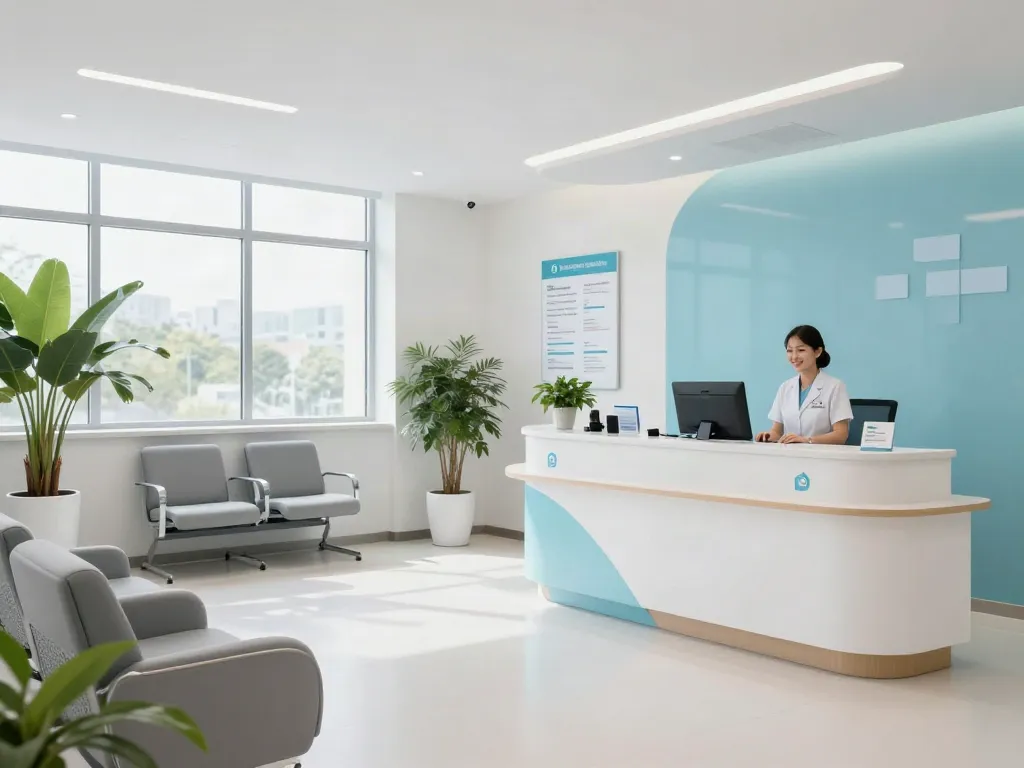
Understanding Medical Services and Their Importance
In a world where healthcare options are expanding rapidly, understanding medical services and their importance becomes crucial for effective patient care. Comprehensive healthcare services encompass a wide range of preventive, diagnostic, therapeutic, and rehabilitation modalities aimed at enhancing overall health and well-being. With the ever-evolving landscape of healthcare, especially in 2026, patients are encouraged to be proactive and informed about their health choices. For those seeking insightful healthcare resources, situs slot can serve as a valuable platform to explore health-related guidance and information.
Overview of Comprehensive Healthcare Services
Comprehensive healthcare services refer to a continuum of care that includes preventive measures, such as vaccinations and screenings, diagnostic services like laboratory tests and imaging, and treatment options that encompass both medical interventions and rehabilitation therapies. These services aim to address the health needs of diverse populations through an individualized approach.
How Medical Services Adapt to Patient Needs
Medical services have increasingly recognized the importance of patient-centered care, which tailors treatment plans to meet the unique preferences, needs, and values of each patient. This adaptation involves utilizing innovative technologies, engaging in community outreach, and fostering a culture of collaboration among healthcare providers, patients, and families to ensure optimal care delivery.
Innovative Approaches in Healthcare Delivery
From telehealth consultations to integrated care models, innovative approaches are transforming healthcare delivery. In 2026, advancements in digital health tools, including patient portals and mobile health applications, allow patients to access medical information, schedule appointments, and communicate with their healthcare teams more conveniently than ever. This shift not only enhances patient engagement but also improves health outcomes through timely interventions.
Enhancing Preventive Health and Wellness Screenings
Preventive health measures and wellness screenings play a fundamental role in early detection and improved patient outcomes. By identifying potential health issues before they progress, patients can take proactive steps to mitigate risks and enhance their overall well-being.
The Role of Early Detection in Patient Outcomes
Early detection of health conditions, such as diabetes, hypertension, and various cancers, significantly increases the chances of effective treatment and managing chronic diseases. Regular screenings and check-ups allow for timely interventions, enabling healthcare providers to monitor any changes in health status and recommend appropriate actions.
Current Recommendations for Health Screenings in 2026
As of 2026, health organizations highlight specific recommendations for screenings based on age, sex, and risk factors. For example, adults should consider routine screenings for cholesterol levels, blood pressure, and diabetes starting from their thirties, while women may require mammograms every year after turning 40. Staying updated with these guidelines empowers individuals to take control of their health.
Personalized Wellness Plans: A Patient-Centric Approach
Creating personalized wellness plans can greatly enhance health outcomes. By incorporating individual health histories, lifestyle choices, and personal health goals, healthcare providers can develop tailored recommendations that encourage patients to engage in healthier lifestyles through nutritional guidance, physical activity, and mental wellness strategies.
Mental Health Awareness and Treatment Options
Mental health is a critical component of overall health, yet it often receives less attention than physical health. Raising awareness about mental health issues and available treatment options is essential for fostering a supportive environment and promoting mental wellness among diverse populations.
Identifying Mental Health Issues in Diverse Populations
Understanding the signs and symptoms of mental health issues across various demographic groups is vital for early identification and intervention. Factors such as cultural background, socioeconomic status, and life experiences can impact how individuals perceive and communicate their mental health needs.
Effective Treatment Strategies for Mental Wellness
Effective treatment for mental health conditions encompasses a variety of modalities, including psychotherapy, medication management, and lifestyle modifications. Approaches should be tailored to the individual, considering personal circumstances and preferences to foster a sense of agency in their care.
Integrating Mental Health Care into Primary Services
Integrating mental health care into primary healthcare services helps eliminate the stigma surrounding mental health issues and ensures patients receive comprehensive support. By training primary care providers to recognize and address mental health conditions, the healthcare system can improve outcomes and promote overall wellness.
The Future of Telemedicine and Digital Health Innovations
The evolution of telemedicine has revolutionized the way healthcare is delivered, expanding access to care for individuals regardless of geographic location. In 2026, the landscape of telehealth continues to flourish, providing innovative solutions to numerous healthcare challenges.
Telehealth: Expanding Access to Care
Telehealth services allow patients to consult with healthcare professionals remotely, which is particularly beneficial for those in rural areas or with mobility challenges. This accessibility ensures prompt medical attention and helps bridge the gap in healthcare disparities.
Latest Technological Developments in Healthcare 2026
By 2026, technological developments in the healthcare field include enhanced telemedicine platforms equipped with advanced functionalities like AI-based symptom checkers and virtual reality therapy. These innovations not only streamline the patient experience but also enable providers to deliver more accurate and timely care.
Patient Perspectives on Telemedicine
Patients have increasingly embraced telemedicine, appreciating the convenience and flexibility it offers. Feedback from telehealth users indicates a high level of satisfaction due to the ease of accessing care, reducing travel time, and receiving medical attention without the need for in-person visits.
Patient Rights and Healthcare Advocacy
Understanding patient rights is pivotal in navigating the healthcare system effectively. Advocating for one’s own health can empower individuals to seek appropriate care and hold healthcare providers accountable for their treatment approaches.
Understanding Patient Rights in Today's Healthcare System
Patients have the right to receive informed consent before any medical procedure, access their medical records, and obtain a second opinion. Advocating for these rights is essential in ensuring quality care and fostering transparency within the healthcare system.
Advocacy Programs for Enhanced Patient Care
Numerous advocacy programs and organizations focus on enhancing patient care by providing resources, support, and education about patient rights. Engaging with these programs can empower individuals to make informed health decisions and navigate challenges within the healthcare landscape.
How to Navigate Healthcare Challenges
Navigating healthcare challenges requires a blend of knowledge, communication, and advocacy skills. Patients are encouraged to educate themselves about their health conditions, communicate openly with their healthcare providers, and utilize available support networks to obtain the best possible care.
FAQs
What are the benefits of early health screenings?
Early health screenings can lead to the detection of potential health issues before they become severe, improve treatment outcomes, and promote a proactive approach to health management.
How can telemedicine improve access to healthcare?
Telemedicine improves access to healthcare by offering remote consultations, eliminating travel barriers, and providing timely medical advice from healthcare professionals.
What rights do patients have in healthcare settings?
Patients have rights that include receiving informed consent, accessing their medical information, and voicing concerns about their care without fear of retribution.